Benefits
What Is Root Canal Treatment?
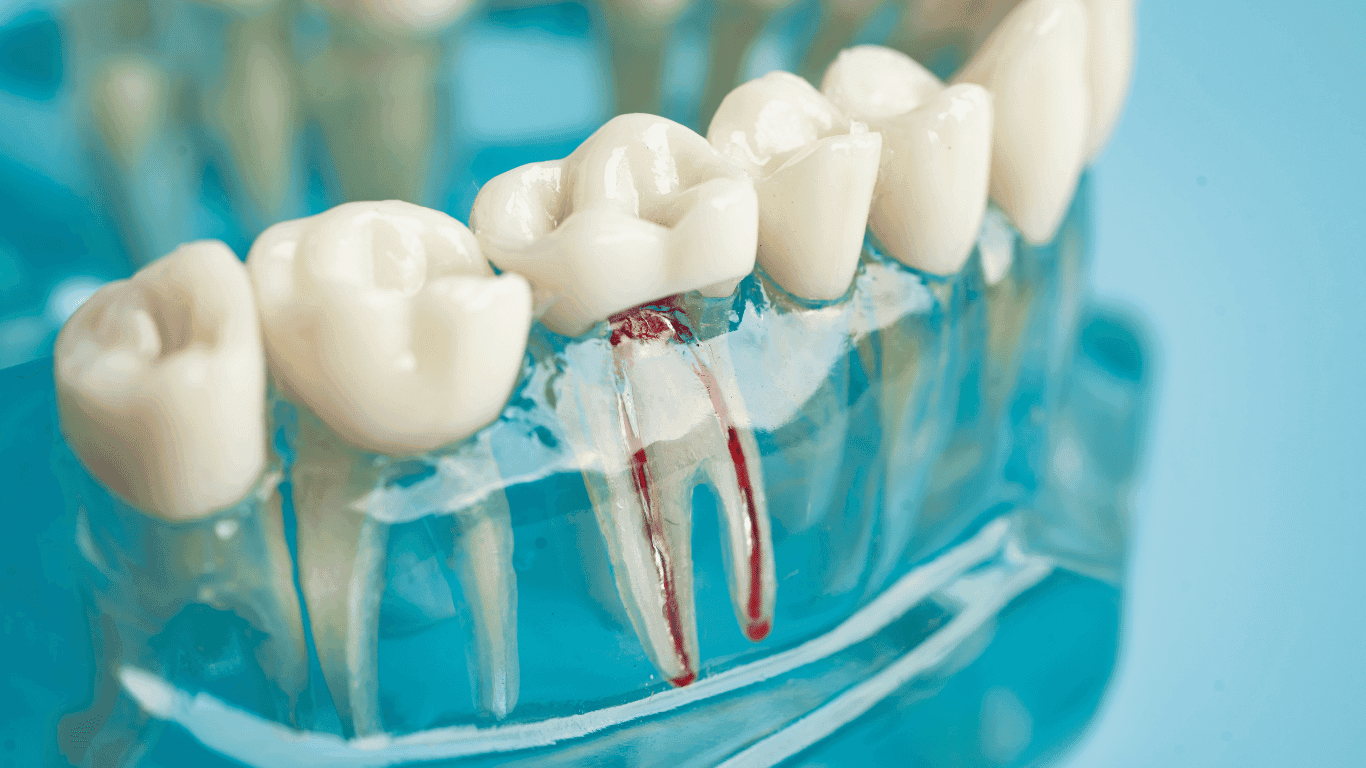
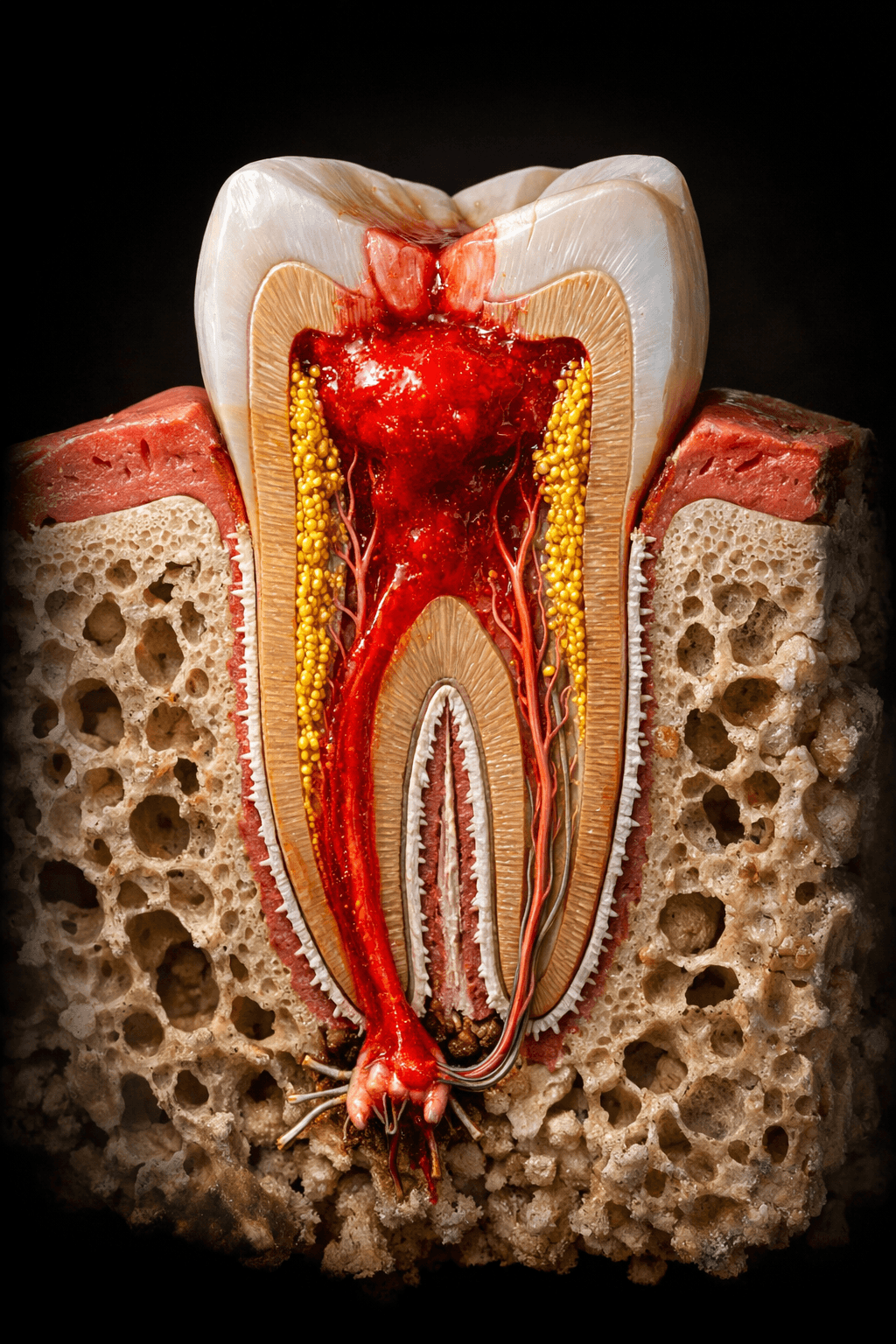
Inside every tooth is soft tissue called the pulp, made up of nerves and blood vessels. When deep decay, a crack or an injury lets bacteria reach the pulp, it becomes inflamed or infected. Left untreated, the infection can spread to the bone around the root, cause an abscess and eventually lead to losing the tooth.
Root canal treatment (RCT) removes the infected pulp, cleans and disinfects the canals inside the root, and seals them so bacteria cannot get back in. The tooth is then restored with a filling or, for most back teeth, a crown. It stays in your mouth and keeps working like a natural tooth.
Benefits of root canal treatment
Saves your natural tooth instead of removing it
Relieves the pain caused by infection and inflammation
Stops the infection spreading to the bone and neighbouring teeth
Restores normal chewing and biting
Avoids the extra time and cost of replacing a lost tooth with an implant or bridge
Lasts for many years with good oral hygiene and regular check-ups
Why magnification matters
The canals inside a tooth are narrow and often curved, and back teeth can have three or four of them. At Dental Life, root canal treatment is performed under dental loupes at up to 5x magnification, which helps our endodontist see each canal opening clearly and clean it thoroughly.
Root canal treatment or extraction?
Many patients ask whether it is simpler to remove a painful tooth. An extraction is quicker on the day, but it leaves a gap. Over time, neighbouring teeth can drift into the space, the opposite tooth can grow down into it, and the bone where the root used to be slowly shrinks. Replacing the tooth with an implant or a bridge then adds more visits and more cost. When a tooth can be saved, root canal treatment usually keeps your bite, your gum line and your natural tooth for longer.
Ideal Candidate
Who Needs Root Canal Treatment?
Root canal treatment is recommended when the pulp of a tooth is infected or badly inflamed and cannot heal on its own. Only an examination and an X-ray can confirm this, but these are common reasons patients come to us.
Signs you may need it
Severe or throbbing toothache, especially when chewing or biting
Sensitivity to hot or cold that lingers after the food or drink is gone
Pain that wakes you up at night
Swelling or tenderness in the gum, or a small pimple-like bump on the gum
A tooth that has darkened in colour
A deep cavity, a cracked tooth or a tooth injured in an accident
Sometimes an infected tooth causes no pain at all and is found only on an X-ray at a routine check-up. That is one reason regular dental visits matter.
Pain from an infected tooth can come and go, and it sometimes stops completely when the nerve dies. That does not mean the tooth has healed. The infection can keep spreading quietly at the root tip. Treating it early usually means a simpler procedure and a better chance of saving the tooth.
When it is not suitable
Root canal treatment may not be advised when:
the tooth is cracked vertically down the root
too little healthy tooth structure is left to restore
advanced gum disease has left very little bone support
the tooth cannot be restored to a useful function
In these cases our team will explain the alternatives, such as removing the tooth and replacing it with a dental implant, bridge or denture, so you can decide with full information.
Process Overview
The Root Canal Treatment Procedure at Dental Life
Root canal treatment at Dental Life is usually completed in 2 to 3 sittings. The exact number depends on the tooth, the number of canals and how much infection is present.
Step 1: Consultation and diagnosis
We examine the tooth and take an X-ray of the roots and surrounding bone to confirm whether root canal treatment is the right option. We explain the plan, the number of sittings and the cost before we begin.
Step 2: The treatment
The tooth is numbed with local anaesthesia so the procedure is comfortable. Our endodontist makes a small opening, removes the infected pulp, and cleans, shapes and disinfects each canal under dental loupes at up to 5x magnification. If the infection needs time to settle, medicine is placed inside the tooth and it is sealed temporarily until the next sitting. Once the canals are clean, they are filled and sealed.
Step 3: Recovery and aftercare
The tooth is restored with a filling, and back teeth usually need a crown to protect them from cracking. Mild soreness for a few days is normal and can be managed with the medicines your dentist advises. Avoid chewing hard food on the tooth until the final restoration is in place, keep brushing and flossing as usual, and come back for your review appointment.
Aftercare tips:
Wait until the numbness wears off before you eat
Chew on the other side until the crown or final filling is placed
Take only the medicines your dentist prescribes
Call us if the swelling grows, the pain gets worse after two or three days, or the temporary filling comes out
Why Choose
Why Choose Dental Life, Sector 53
At Dental Life, root canal treatment is performed by Dr Ankita Sharma, MDS endodontist. Every case is planned around the individual tooth and carried out under dental loupes at up to 5x magnification.
An endodontist is a dentist with additional specialist training in treating the inside of the tooth. Complex cases, such as curved canals or back teeth with three or four canals, are handled by the specialist herself.
A specialist endodontist for every root canal
Treatment under up to 5x magnification
A clear explanation of the plan, sittings and cost before treatment begins
Crowns and follow-up care in the same clinic
Open Monday to Sunday, 10 AM to 9 PM
Dental Life is on the 1st floor of Central Plaza Mall, Golf Course Road, Sector 53, Gurugram. Patients travel to us from DLF Phase 5, Sushant Lok, South City, Sector 54, Sector 56 and Wazirabad.
For your first visit, bring any recent dental X-rays, a list of the medicines you take and details of any earlier treatment on the tooth.
Book a consultation or call us on +91 98218 39933.
Common Questions
Frequently Asked Questions
Am I a candidate for root canal treatment?
Is the procedure painful, and how long does it take?
What happens after the root canal is done?
Are there any risks or chances of reinfection?
How long will a treated tooth last?
Do I need a crown after root canal treatment?
Is it better to remove the tooth instead?
Who performs root canal treatment at Dental Life?